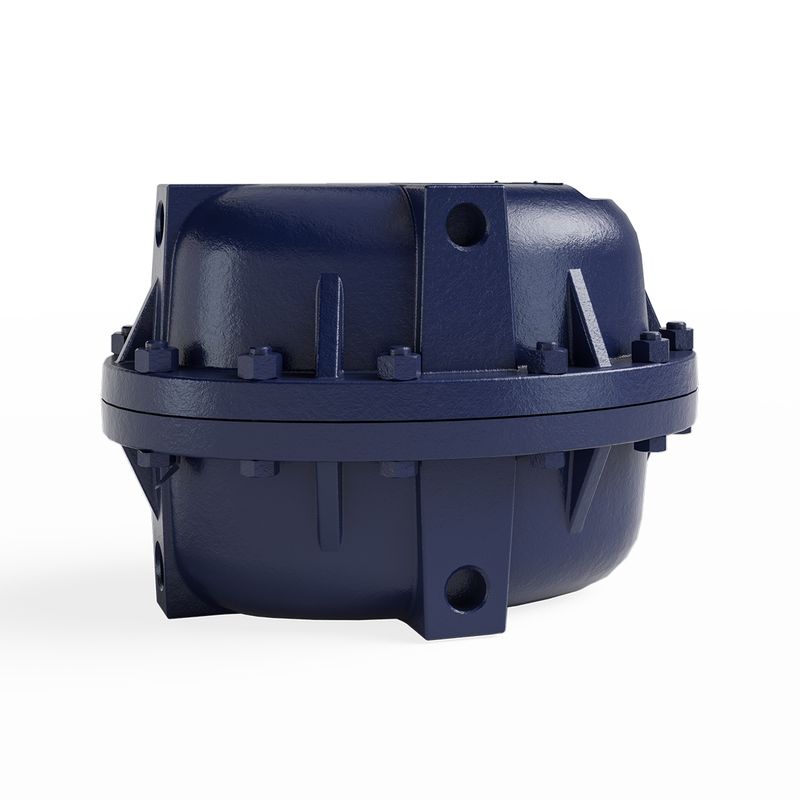
Mini Pump Trap – PT-104
A compact, non-electric pump trap that lifts hot condensate using steam pressure alone.
The PT-104 is a mini pump trap that returns condensate from low points, vacuum systems, and remote locations without electricity. Its stainless steel mechanism with Inconel X-750 spring is rated for allowable conditions of 150 psig and 450°F. Intrinsically safe operation makes it suited to hazardous areas, sumps, and caustic environments.
Technical Specifications
Key technical data for the Mini Pump Trap – PT-104. Contact ALPHA INDUSTRIAL SERVICES for complete datasheets and sizing.
Additional Specifications
- Body: ASTM A48 Class 30 cast iron
- Mechanism: stainless steel with Inconel X-750 spring
- Capacity: 1,800 lb/hr (816 kg/hr)
- Applications: low-pressure heating, process coils, vacuum systems, hazardous areas, flash tanks
Typical Applications in Bangladesh
Recovers hot condensate to reduce fuel and water treatment costs.
Pumps condensate from below-steam-pressure equipment.
Flash tanks capture and reuse low-pressure flash steam.
Returns large condensate volumes from finishing machines.
Related Condensate Recovery
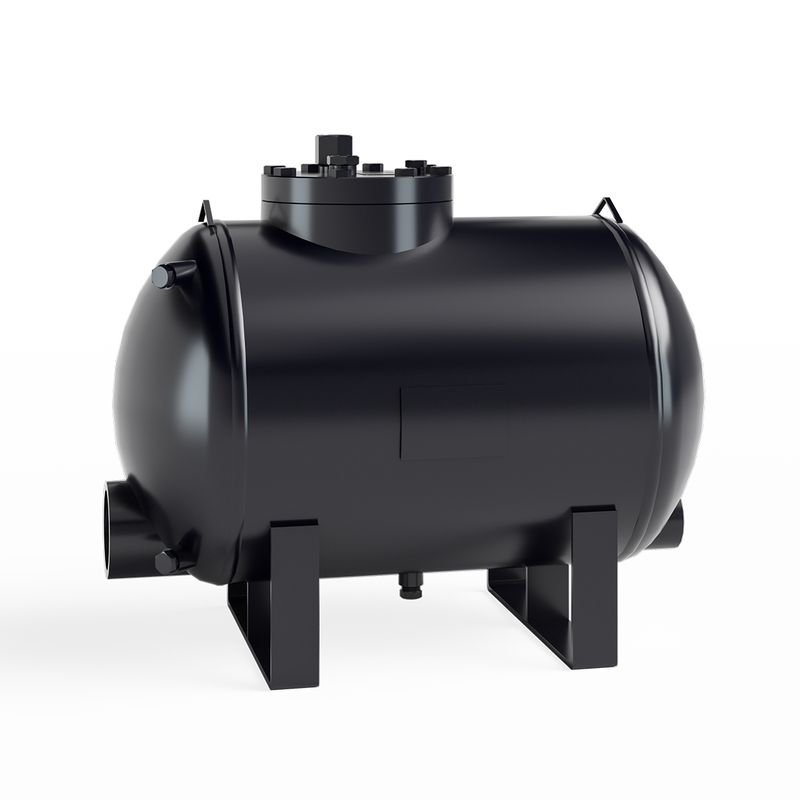
Low Boy™ Pump Trap Packages
Factory-packaged condensate return stations that combine an Armstrong pump trap with a low-profile receiver for dependable non-electric pumping.
View Details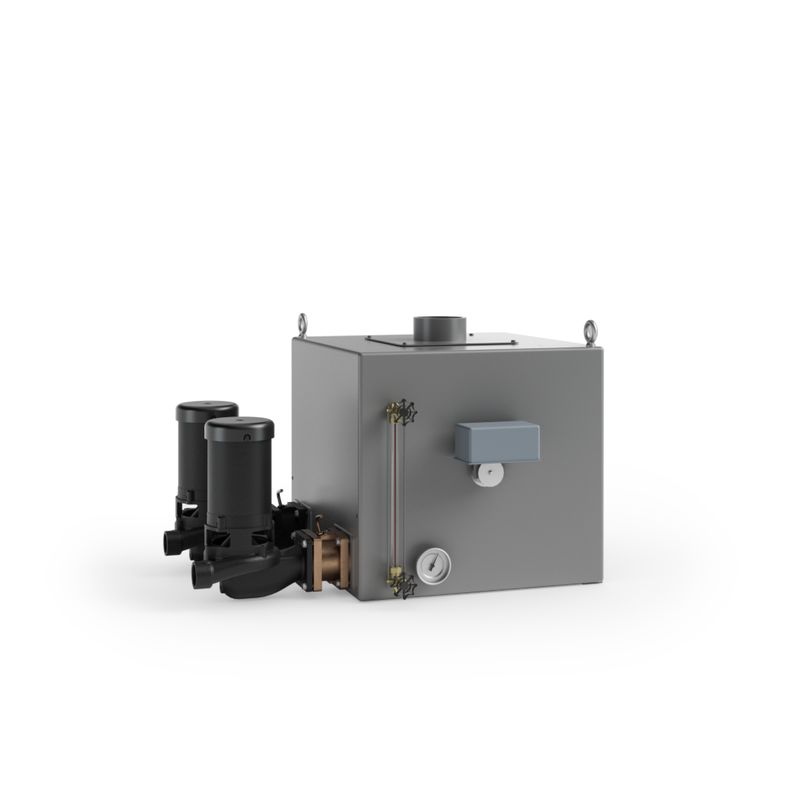
Cast Iron Condensate Pump – 4700 Series
Floor-mounted cast iron condensate return units sized for light commercial and institutional steam heating loads.
View Details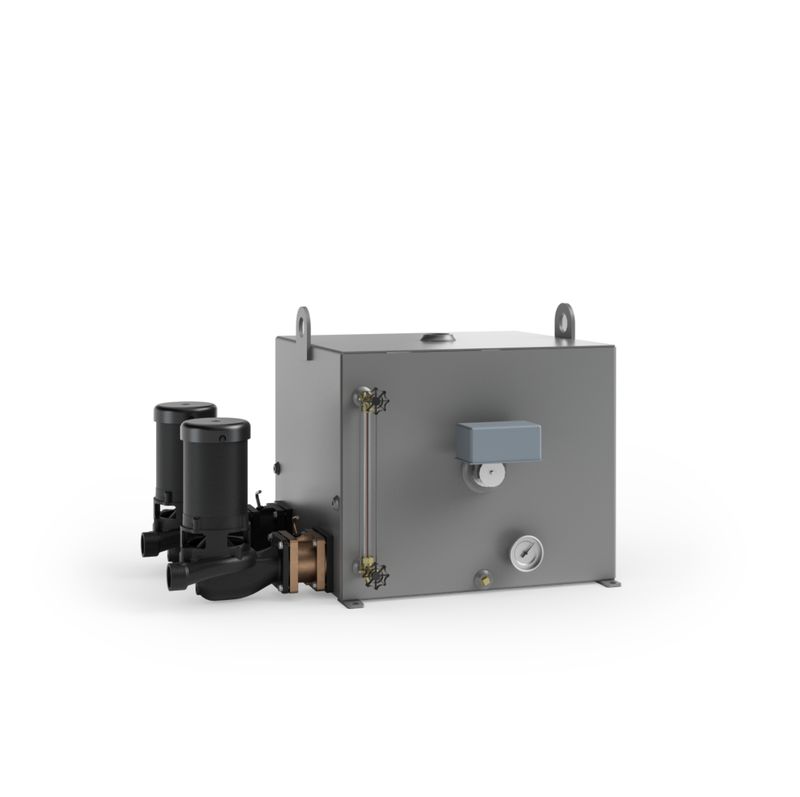
Steel Condensate Pump – 4600 Series
Steel-receiver condensate return units built for loads from 2,000 to 50,000 square feet of radiation.
View Details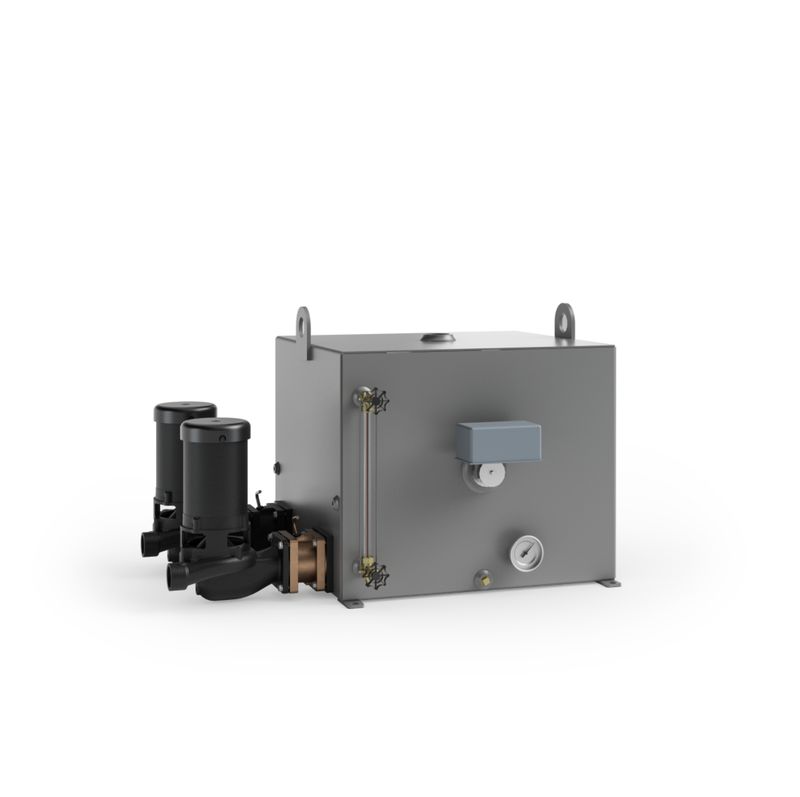
Steel Condensate Pump – 4800 Series
Stainless steel receiver condensate units for return service where corrosion resistance matters.
View DetailsNeed Technical Sizing or Steam Audit Support in Bangladesh?
Correct selection and sizing are critical to condensate drainage, pressure control, and energy savings. Contact the engineering team at ALPHA INDUSTRIAL SERVICES for differential pressure calculations, trap surveys, and quotations.