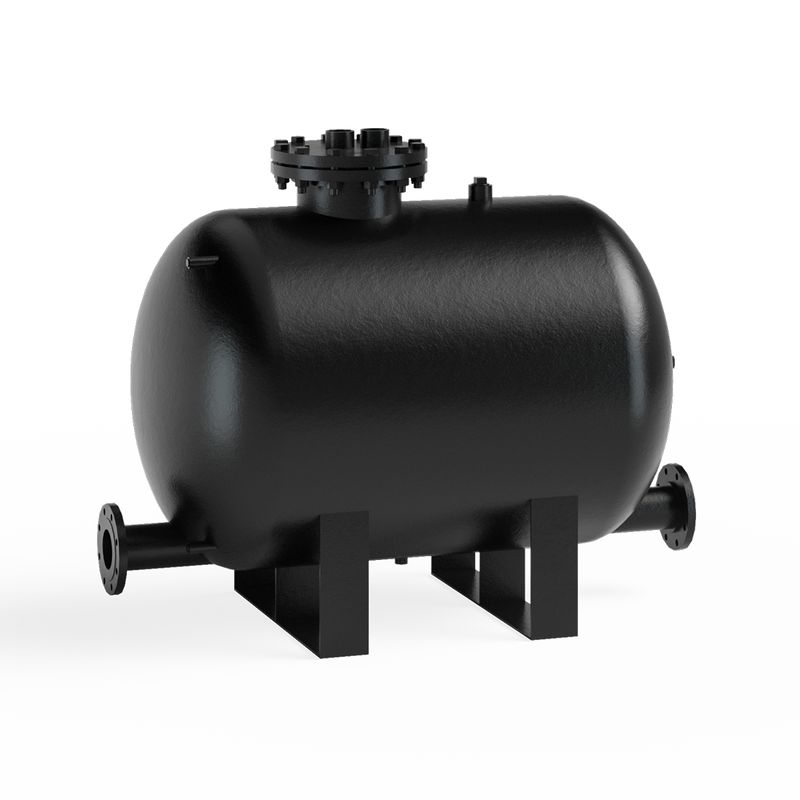
High Capacity Pump Trap – PT-516
High-capacity pump trap rated to move 80,000 lb/hr of condensate without electricity.
The PT-516 is Armstrong's high-capacity pump trap for large condensate loads in process and heating systems. A fabricated steel, ASME Section VIII stamped body with 4-inch flanged connections handles up to 80,000 lb/hr. Steam or air pressure drives the stainless steel pumping mechanism, so no power supply or electric controls are needed.
Technical Specifications
Key technical data for the High Capacity Pump Trap – PT-516. Contact ALPHA INDUSTRIAL SERVICES for complete datasheets and sizing.
Additional Specifications
- Body: fabricated steel, 150 psi ASME Sec. VIII design, "U" stamped
- Mechanism: stainless steel with Inconel X-750 spring
- Max capacity: 80,000 lb/hr (29,902 kg/hr)
- Inlet/outlet size: 4 in (100 mm)
Typical Applications in Bangladesh
Recovers hot condensate to reduce fuel and water treatment costs.
Pumps condensate from below-steam-pressure equipment.
Flash tanks capture and reuse low-pressure flash steam.
Returns large condensate volumes from finishing machines.
Related Condensate Recovery
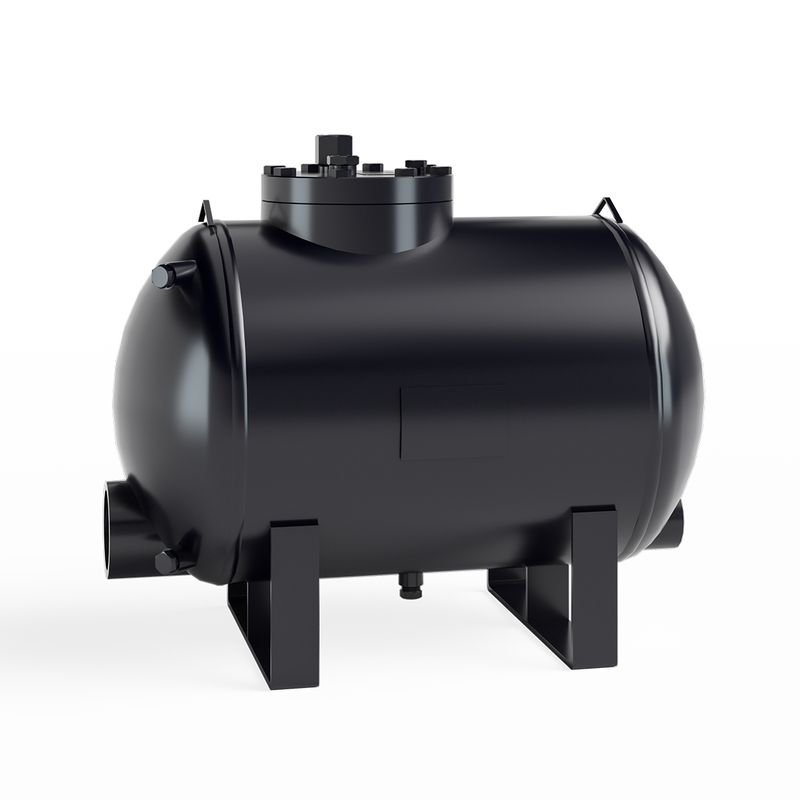
Low Boy™ Pump Trap Packages
Factory-packaged condensate return stations that combine an Armstrong pump trap with a low-profile receiver for dependable non-electric pumping.
View Details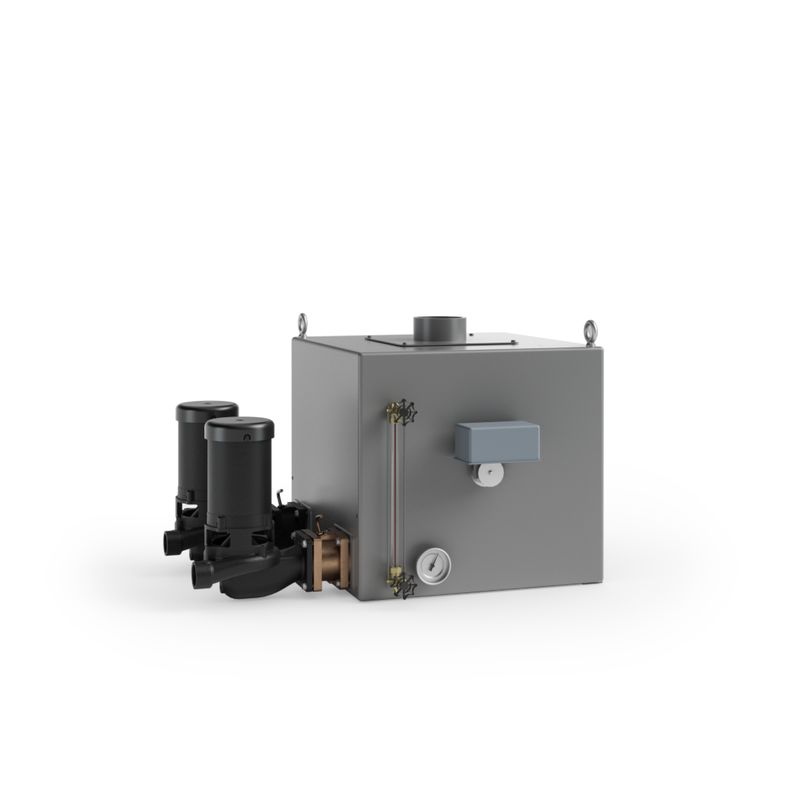
Cast Iron Condensate Pump – 4700 Series
Floor-mounted cast iron condensate return units sized for light commercial and institutional steam heating loads.
View Details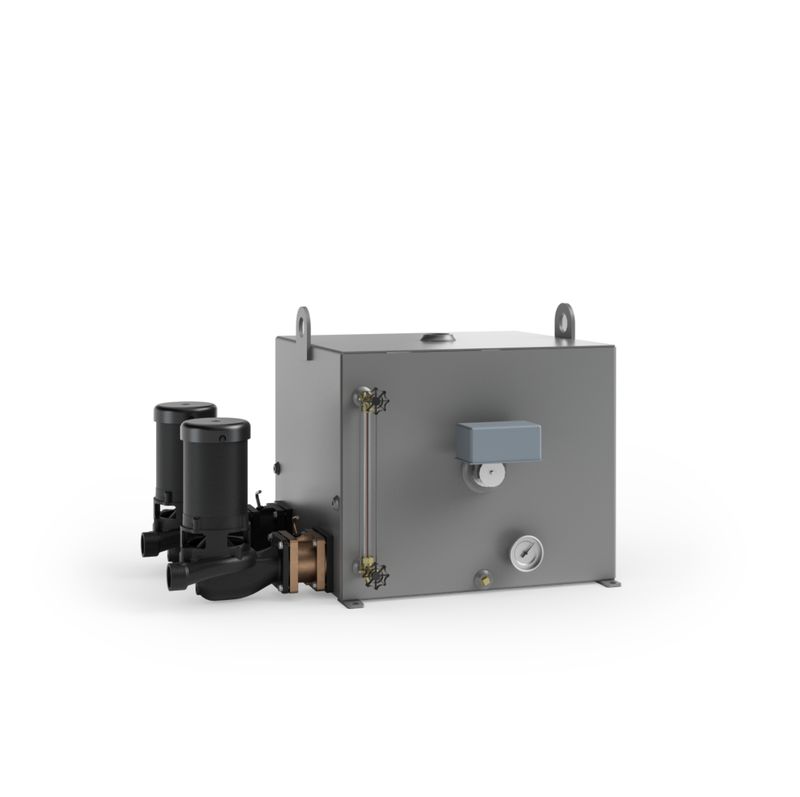
Steel Condensate Pump – 4600 Series
Steel-receiver condensate return units built for loads from 2,000 to 50,000 square feet of radiation.
View Details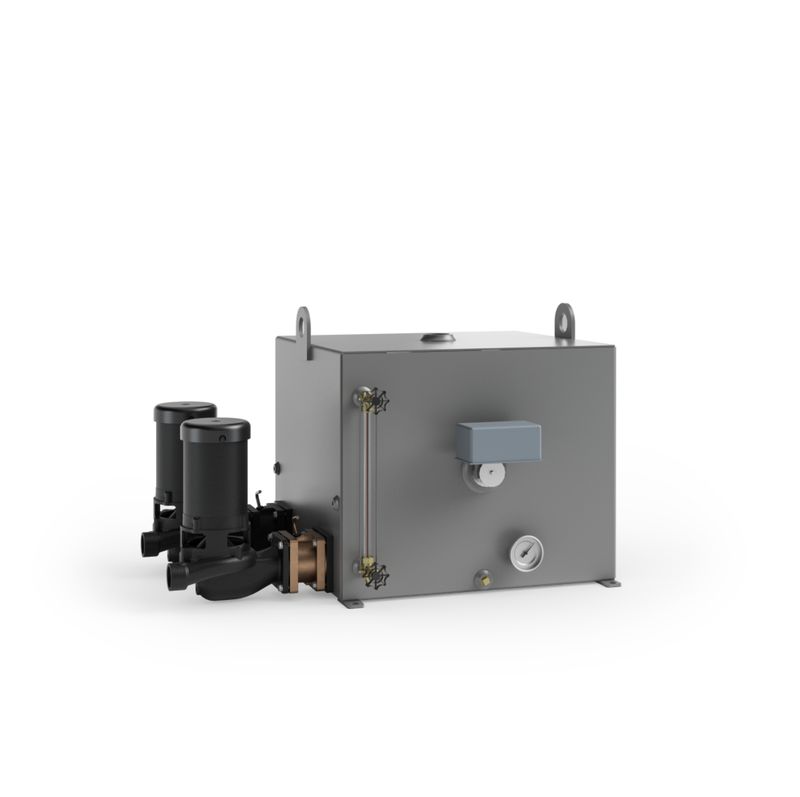
Steel Condensate Pump – 4800 Series
Stainless steel receiver condensate units for return service where corrosion resistance matters.
View DetailsNeed Technical Sizing or Steam Audit Support in Bangladesh?
Correct selection and sizing are critical to condensate drainage, pressure control, and energy savings. Contact the engineering team at ALPHA INDUSTRIAL SERVICES for differential pressure calculations, trap surveys, and quotations.